
tall mirror with lights
Understanding the Price Dynamics of 150% to 300 Micrometer Products In the realm of product manufacturing, especially in sectors such as electronics, medical devices, and materials science, micrometer specifications play a critical role. The micrometer, or micron, is a unit of measurement equal to one-millionth of a meter, and products that fall within the 150 to 300 micrometer range have gained significant attention due to their diverse applications. This article delves into the price dynamics of products within this specific micrometer range, exploring various factors that influence their costs and the market trends at play. The Importance of Micrometer Specifications Products measured in the 150 to 300 micrometer range are crucial in industries where precision is paramount. For instance, in the semiconductor industry, materials need to maintain strict dimensional tolerances to ensure the effective operation of electronic components. Similarly, in the medical field, micrometric precision can affect the performance of devices such as surgical instruments or implants. The demand for precision products in these sectors has led to advancements in manufacturing techniques, which can impact overall production costs and pricing. Factors Influencing Pricing Several key factors influence the pricing of products within the 150 to 300 micrometer range 1. Material Composition The type of materials used in production significantly affects costs. High-quality, specialized materials often come at a premium, particularly if they possess unique properties such as enhanced durability or biocompatibility. For instance, advanced polymers and metals used in engineering applications could be more expensive than standard materials. 150 to 300 micrometer price 2. Manufacturing Process The intricacy of the manufacturing process contributes to final pricing. Techniques such as laser cutting, precision machining, and specialized molding can be costly due to the require technology and skilled labor. Manufacturers that utilize state-of-the-art machinery may incur higher operational costs, which would reflect in the product prices. 3. Market Demand and Supply As with any product, market dynamics of supply and demand play a significant role in pricing. If the demand for products in the 150 to 300 micrometer range outstrips supply, prices will rise accordingly. For example, during bursts of technological advancement or rapid growth in the electronics sector, prices may spike due to increased demand. 4. Customization and Specifications Custom products tailored to specific needs tend to be more expensive than standard offerings. For instance, if clients require unique dimensions, finishes, or functionalities, the added complexity will drive up costs. Companies often charge a premium for customization and rapid prototyping services. 5. Geopolitical and Economic Factors The global economic landscape can also influence prices. Tariffs, trade agreements, and geopolitical tensions can impact the availability and cost of raw materials. Additionally, fluctuations in currency exchange rates can lead to price adjustments for international orders. Current Market Trends As of 2023, the market for micrometer-level products remains dynamic and competitive. Companies are investing in research and development to innovate production techniques that lower costs while enhancing product quality. Sustainability is becoming a significant concern; thus, manufacturers are exploring eco-friendly materials and processes which may initially be more expensive but could yield long-term savings and appeal to environmentally conscious consumers. In conclusion, the price of products within the 150 to 300 micrometer range is influenced by a complex interplay of factors, including material choices, manufacturing techniques, market demand, customization, and broader economic trends. As industries continue to evolve, understanding these pricing dynamics will be crucial for stakeholders looking to navigate this specialized market effectively.
about
tall mirror with lights
Set di Gauge per Filettature Un'Introduzione Le misurazioni precise sono fondamentali in qualsiasi settore di ingegneria e produzione, specialmente quando si tratta di filettature. Un importante strumento per garantire che le filettature rispettino le specifiche richieste è il set di gauge per filettature, noto anche come thread ring gage set. In questo articolo, esploreremo cosa siano i gauge per filettature, come funzionano e la loro importanza nel garantire la qualità dei prodotti. Cosa sono i Gauge per Filettature? I gauge per filettature sono strumenti di misura utilizzati per verificare le dimensioni e la forma delle filettature esterne e interne. Esistono diversi tipi di gauge per filettature, tra cui i gauge a anello (ring gauges) e i gauge per madreviti (plug gauges). I gauge a anello vengono utilizzati per misurare filettature esterne, come quelle di bulloni e stud, mentre i gauge per madreviti misurano filettature interne, come quelle di dadi e fori filettati. Funzionamento dei Gauge per Filettature Il set di gauge per filettature è costituito da una serie di strumenti calibrati a dimensioni specifiche. I gauge a anello sono progettati per essere infilati su una filettatura esterna. Se il gauge si adatta correttamente, significa che la filettatura è conforme alle specifiche; in caso contrario, potrebbe esserci un problema nel processo di lavorazione. Il set di gauge per filettature include anche strumenti di controllo per la verifica della profondità della filettatura e per la misurazione del passo della filettatura stessa. Questi strumenti sono essenziali per garantire che il prodotto finale possa assemblarsi correttamente con le altre parti e mantenere la qualità richiesta. Importanza del Set di Gauge per Filettature La qualità delle filettature è cruciale in molti ambiti, come l'industria automobilistica, quella aerospaziale e la produzione di macchinari. La presenza di filettature difettose può portare a problemi di assemblaggio, riduzione della resistenza meccanica e, nei casi più gravi, a guasti delle attrezzature. thread ring gage set Utilizzare un set di gauge per filettature consente alle aziende di mantenere elevati standard qualitativi. Grazie a queste misurazioni, è possibile identificare i problemi prima che i pezzi vengano assemblati. Ciò si traduce in minori scarti, meno ritardi nella produzione e una maggiore soddisfazione del cliente. Tipi di Gauge per Filettature I gauge per filettature possono essere classificati in base a vari criteri, tra cui il tipo di filettatura (metrica, inch, etc.), il materiale (acciaio, carbide, etc.) e le specifiche dimensionali. Le aziende devono scegliere il tipo di gauge più adatto in base alle loro esigenze specifiche, considerando anche i materiali utilizzati e le tolleranze richieste. Inoltre, esistono gauge per filettature di uso progettuale con tolleranze più strette, spesso utilizzati in applicazioni ad alta precisione. Questi strumenti devono essere calibrati regolarmente per garantire risultati accurati. Manutenzione e Calibrazione La manutenzione dei gauge per filettature è fondamentale per mantenere la loro precisione. È necessario pulirli regolarmente per rimuovere eventuali residui che potrebbero influenzare le misurazioni. Inoltre, la calibrazione è essenziale; è consigliabile calibrare il set di gauge periodicamente o ogni volta che viene utilizzato in applicazioni critiche. Conclusione In conclusione, un set di gauge per filettature è un investimento necessario per qualsiasi azienda che desideri mantenere alti standard di qualità e precisione nella produzione. Questi strumenti non solo garantiscono che i prodotti soddisfino le specifiche, ma contribuiscono anche a migliorare l'efficienza e la competitività sul mercato. Con una corretta manutenzione e calibrazione, i gauge per filettature possono fornire risultati affidabili nel corso del tempo.
-

High quality industrial productsagement

High quality industrial products
View Details -

Meet the diverse needs of customers

Meet the diverse needs of customers
View Details -

Strict quality control

Strict quality control
View Details -

Top raw materials

Top raw materials
View Details -

Trusted supplier

Trusted supplier
View Details
Our application

news and information
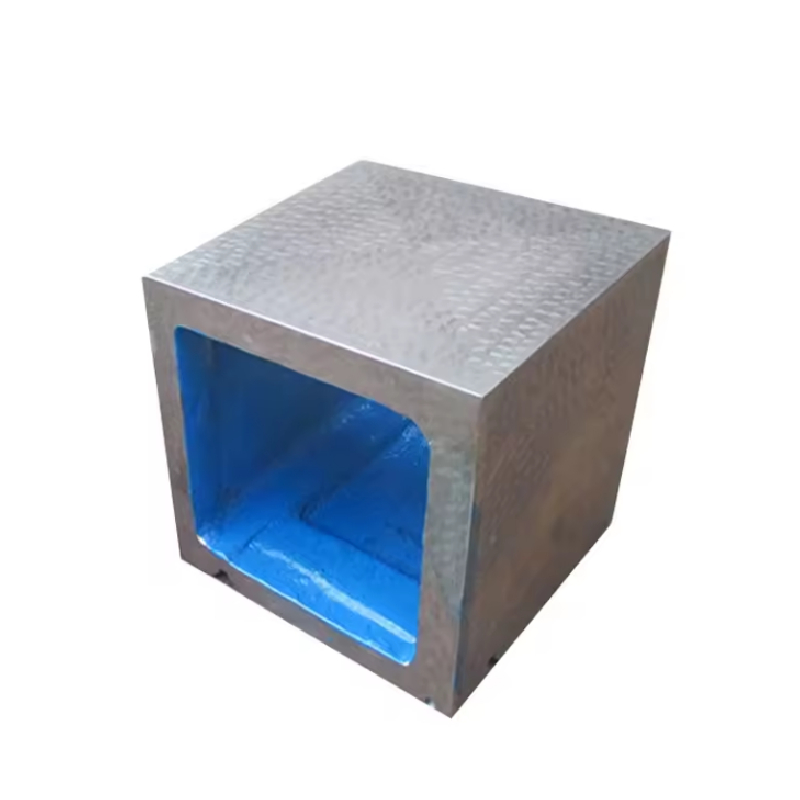
verschillende soorten regelkleppen en hun toepassingen
Verschillende Soorten Controlekranen en Hun Toepassingen Controlekranen zijn essentiële componenten
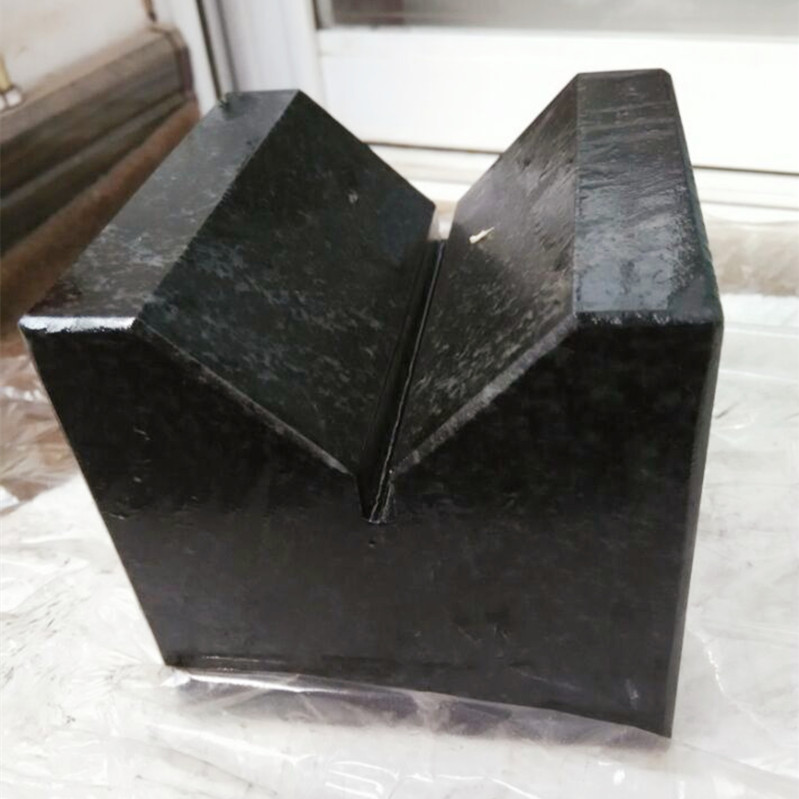
Y Type Water Strainer for Efficient Filtration Solutions and Flow Management
Understanding Y-Type Water Strainers A Comprehensive Overview Water strainers are vital components i
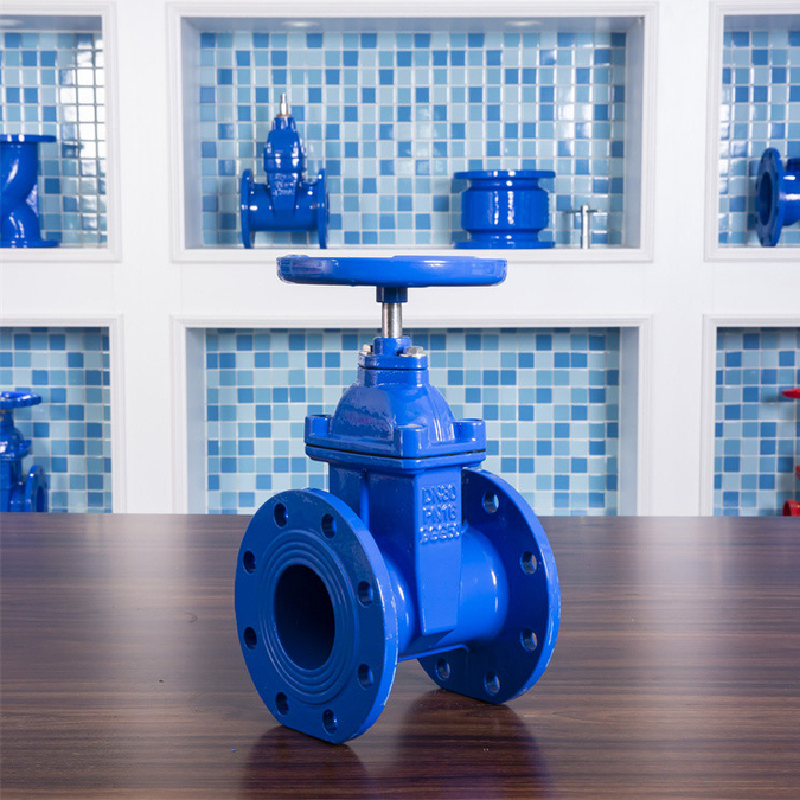
Van cổng
Van cổng, hay còn được gọi là van xẻng, là một trong những thiết bị quan trọng trong hệ thống đường
 English